


Prenatal Massage
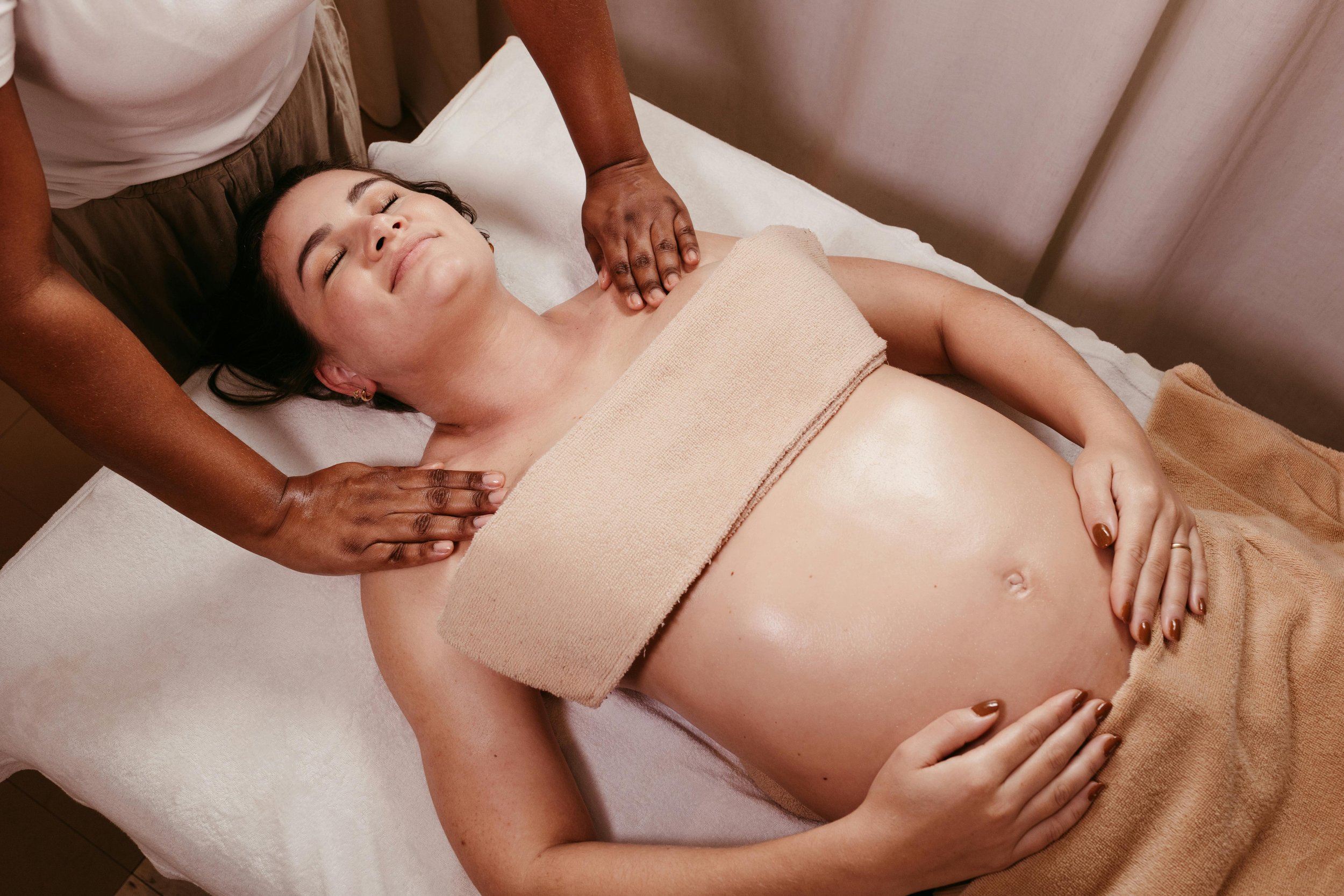
What is a Prenatal Massage?
Prenatal Massage is a gentle, supportive massage designed specifically for expecting mothers. It helps ease common pregnancy discomforts, encourages relaxation, and supports overall well-being. Unlike a standard massage, Prenatal Massage uses techniques and positioning tailored to each stage of pregnancy, keeping both mother and baby safe and comfortable.
Supportive pillows or bolsters are used to relieve tension in areas that commonly carry stress during pregnancy, such as the lower back, hips, shoulders, and legs. Slow, soothing strokes help muscles release tightness and encourage a feeling of lightness and balance. Many mothers notice relief from everyday aches and tension, along with a calmer, more comfortable state overall.

-
If you’re wondering whether Prenatal Massage is right for you, here are some common reasons expecting mothers seek it out:
You experience lower back or hip pain from carrying extra weight.
Your legs, feet, or ankles feel swollen or fatigued.
You have tension in the shoulders or neck from changes in posture.
You’re feeling stressed, anxious, or having trouble sleeping.
Even if your discomfort is mild, regular Prenatal Massage can help you feel more relaxed, improve circulation, and support your body’s natural adjustments during pregnancy.
-
Prenatal Massage provides both physical and emotional benefits. Clients often report a sense of calm, relief from tension, and improved overall wellness. Benefits include:
Reduced muscle tension and stiffness in the back, hips, and shoulders.
Improved circulation, which can help reduce swelling in the legs and feet.
Stress and anxiety relief, promoting relaxation and mental clarity.
Better sleep and enhanced comfort throughout the day.
Support for overall wellness, helping your body adjust naturally to pregnancy changes.
-
Prenatal Massage can support relief from common pregnancy-related conditions, including:
Lower back and hip pain.
Swelling (edema) in the feet and legs.
Muscle fatigue and cramps.
Stress, anxiety, or tension-related headaches.
Trouble sleeping or feeling restless.
-
Prenatal Massage is generally safe after the first trimester, but certain situations require caution. Consider avoiding this therapy if:
You have a high-risk pregnancy or complications.
You have uncontrolled high blood pressure or preeclampsia.
Your healthcare provider has advised against massage for any reason.
Always check with your doctor if you have concerns, and communicate openly with your therapist about your comfort and any medical considerations.
-
Proper preparation can help you get the most from your session:
Wear comfortable clothing that’s easy to remove if needed.
Hydrate before your session to support circulation.
Arrive a few minutes early to discuss your pregnancy stage, areas of discomfort, and any preferences.
Relax and communicate during the massage so your therapist can adjust techniques for your comfort.
-
Many expecting mothers enjoy sessions every 2–4 weeks, depending on their comfort and stage of pregnancy. Some may prefer more frequent visits during periods of increased discomfort. Your therapist can help you determine the best schedule for your needs.
-
Prenatal Massage uses specialized positioning, support, and gentle techniques to accommodate the changes your body goes through during pregnancy. Regular massage may not provide the same level of comfort or safety for expecting mothers, making Prenatal Massage the ideal choice during this unique time.
More Ways to Relax

Deep Tissue Massage

Raindrop Therapy

Relaxation Massage

Sports Massage

Trigger Point Massage

Foot Bath